
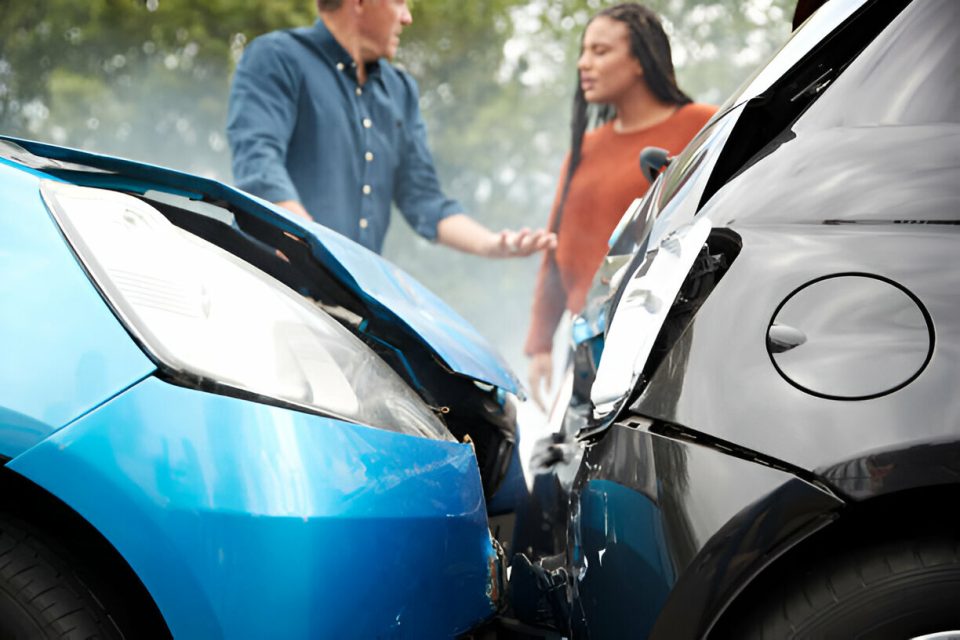
When two passenger vehicles collide on a roadway, the incident involves thousands of pounds of steel, airbags, crumple zones, and seatbelts protecting both parties. The legal and insurance processes that follow are deeply standardized, structured around property damage valuations and predictable medical assessments. However, when a vehicle strikes a pedestrian, this protective balance is entirely absent. The sheer physical vulnerability of a human being encountering a motor vehicle changes every dynamic of the subsequent legal process.
While both incidents fall under the broad umbrella of personal injury law, pedestrian accident claims differ fundamentally from standard car accidents in terms of injury severity, determination of fault, insurance coverage layering, and evidentiary requirements. Understanding these distinctions is critical for anyone navigating the aftermath of a roadside collision involving someone on foot.
The Disparity in Injury Severity and Economic Damages
The most obvious difference between a standard car accident and a pedestrian collision is the nature of the injuries sustained. In a typical vehicle-to-vehicle crash, minor to moderate injuries like whiplash, strains, or localized bruising are common, thanks to vehicle safety engineering. In contrast, pedestrians have no protection. When a vehicle strikes a person, the victim undergoes two distinct impacts: the primary impact with the vehicle itself, and the secondary impact when their body hits the asphalt or surrounding structures.
Because of this secondary impact, pedestrian accidents routinely result in catastrophic, life-altering injuries. Victims commonly suffer from traumatic brain injuries, spinal cord damage leading to paralysis, multiple compound fractures, internal organ damage, and severe degloving injuries.
From a legal standpoint, these catastrophic injuries radically shift the calculation of economic and non-economic damages. In a standard car accident, medical bills may be relatively straightforward to compile and forecast. In a pedestrian claim, the long-term medical care requirements can be astronomical. A claim must account for extensive emergency surgeries, months of inpatient rehabilitation, home modifications to accommodate new physical limitations, and lifetime specialized care.
Furthermore, the calculation of lost earning capacity becomes a central pillar of the claim. If a young professional is struck and suffers cognitive impairment or permanent physical disability, the claim must project their lost income over several decades, adjusting for inflation, career advancement, and lost benefits. This elevates the financial stakes of a pedestrian claim far beyond the limits of a typical vehicular insurance policy, turning minor disputes into high-stakes legal battles.
Determining Liability and the Right of Way Illusion
A common misconception is that the pedestrian always wins an injury claim automatically because they were on foot. While traffic laws generally favor pedestrians, establishing legal liability in a pedestrian accident claim is far more complex than in a standard rear-end or intersection car accident.
In standard car accidents, liability often hinges on clear traffic violations, such as tailgating or failing to yield at a stop sign. In pedestrian cases, insurance defense attorneys aggressively look for ways to shift blame onto the person walking. They look to establish that the pedestrian was distracted by a smartphone, wearing dark clothing at night, walking under the influence of alcohol, or stepping out into traffic unexpectedly.
The legal concepts of right of way are heavily scrutinized in these claims:
-
Marked Crosswalks: If a pedestrian is struck while walking inside a clearly marked crosswalk with the walk signal in their favor, liability is generally straightforward, though insurers may still argue the pedestrian stepped out too quickly for a vehicle to stop.
-
Unmarked Crosswalks: Most state laws recognize unmarked crosswalks at standard intersections. Drivers are legally required to yield, but proving that a driver had sufficient time to see and react to a pedestrian at an unmarked crossing requires meticulous accident reconstruction.
-
Open Roadways: When an accident occurs outside of an intersection or crosswalk, the legal burden shifts significantly. The defense will claim the pedestrian violated traffic laws by jaywalking, creating a sudden emergency that the driver could not avoid.
Because of these nuances, establishing that a driver had the last clear chance to avoid the collision is a primary focus for legal teams representing injured pedestrians.
Navigating Complex Insurance Structures
In a standard car accident, the process is linear: the injured driver files a claim against the at-fault driver’s auto liability insurance, or relies on their own collision and personal injury protection coverage. In a pedestrian accident, finding the correct insurance path can feel like a labyrinth, especially since the victim was not operating a vehicle at the time.
Depending on the state where the accident occurred, multiple insurance policies may come into play simultaneously, and they must be accessed in a specific order:
-
Personal Injury Protection (PIP) or Medical Payments (MedPay): In no-fault insurance states, if the pedestrian owns a vehicle and carries PIP coverage, their own auto insurance policy actually acts as the primary payer for their medical bills, even though their car was sitting safely at home in their garage.
-
The At-Fault Driver’s Liability Insurance: If the pedestrian does not own a vehicle, or if their medical expenses quickly exhaust their own PIP limits, the claim turns to the driver’s bodily injury liability policy.
-
Household Policies: If the pedestrian does not own a car but lives with a resident relative who does, the relative’s auto insurance policy may provide secondary medical coverage under certain state laws.
-
Uninsured or Underinsured Motorist (UM/UIM) Coverage: If the driver who struck the pedestrian is completely uninsured, underinsured, or flees the scene in a hit-and-run incident, the pedestrian can file a claim under the UM/UIM provision of their own auto insurance policy.
Managing these overlapping policies requires deep knowledge of state-specific insurance statutes, as companies will actively dispute which policy is primary and which is secondary to avoid paying out large settlements.
Unique Evidentiary Needs in Pedestrian Cases
Proving the mechanics of a standard car accident often relies on vehicle damage patterns, skid marks, and onboard event data recorders, colloquially known as black boxes. In a pedestrian claim, the physical evidence looks very different, and it degrades much faster.
Vehicles rarely sustain structural damage when striking a human body. Instead, the evidence on the vehicle may consist only of minor hood dents, a cracked windshield, or textile fiber transfers. Because the physical evidence on the vehicle is subtle, pedestrian claims rely heavily on external sources of proof:
-
Surveillance and Dashcam Footage: Security cameras from nearby businesses, residential doorbell cameras, and dashcams from passing vehicles are often the single most critical piece of evidence needed to prove a driver was speeding or failed to yield.
-
Biomechanical Analysis: Expert witnesses are frequently brought in to analyze how the pedestrian’s body reacted upon impact. This analysis can prove the vehicle’s speed at the moment of impact and verify whether the pedestrian was walking or running.
-
Smart Wearables Data: Modern pedestrian claims increasingly utilize data from smartwatches or fitness trackers worn by the victim. This data can pinpoint the exact second the victim’s heart rate spiked or stopped, their walking speed, and their precise GPS location relative to the roadway layout prior to the impact.
Gathering this evidence requires swift action, as private security footage is often overwritten within days, and weather conditions can quickly erase physical marks on the roadway.
FAQ
Can a pedestrian still file a compensation claim if they were jaywalking at the time of the accident?
Yes, a pedestrian can still file a claim even if they were jaywalking or crossing outside of a designated crosswalk. Most states utilize comparative negligence laws, meaning that fault is split by percentages. While the pedestrian may take a share of the blame for crossing unlawfully, the driver may still bear significant liability if they were speeding, distracted, or failed to take evasive action when the pedestrian was visible in the roadway.
What happens if the driver who struck me flees the scene in a hit and run?
If the driver cannot be identified, the injured pedestrian can turn to their own automobile insurance policy to file an uninsured motorist claim. This coverage applies to policyholders and their household relatives even when they are walking or cycling. If the pedestrian does not own a vehicle or have access to a household auto policy, some states offer special state-funded victim compensation programs to help cover medical expenses.
Does my personal health insurance pay for my medical bills after being hit by a car?
Your health insurance will generally pay for immediate medical care, but it is rarely the primary source of compensation. In no-fault states, auto PIP insurance must pay first. In fault-based states, health insurance companies will pay for treatment but will typically place a medical lien on any final legal settlement you receive from the at-fault driver’s insurance company to recoup what they spent.
How does the claims process change if the pedestrian is struck by a commercial vehicle or city bus?
Claims involving commercial trucks or government-operated transit vehicles are subject to vastly different rules. Commercial vehicles carry much higher insurance policy limits, but they are backed by sophisticated legal defense teams. If a city bus or government vehicle is involved, sovereign immunity laws apply. This requires the victim to file a formal notice of claim with the government municipality within a very short window, often as brief as six months, or forfeit their right to sue.
Are passengers inside the vehicle ever held liable for a pedestrian’s injuries?
In almost all scenarios, passengers are not liable because they have no operational control over the vehicle. However, rare exceptions exist if a passenger actively interfered with the driver’s ability to operate the vehicle safely, such as grabbing the steering wheel, physically assaulting the driver, or intentionally blocking the driver’s field of vision immediately before the impact occurred.
Can a city or municipality be sued for a pedestrian accident caused by a poorly designed intersection?
Yes, it is possible to file a claim against a municipality if the layout of the roadway or a maintenance failure directly contributed to the accident. Examples include completely obscured crosswalk signage, broken pedestrian walk signals that gave conflicting instructions, or a known visual obstruction like unmaintained city foliage that blocked the driver’s view of a standard crosswalk area.
How long does an injured pedestrian have to file a personal injury lawsuit?
The timeframe is dictated by each state’s statute of limitations for personal injury claims. In most states, this window ranges from two to four years from the exact date the accident occurred. However, if the claim is against a government entity, or if the victim is a minor, the legal deadlines can vary significantly, making early consultation with a legal professional vital.
