
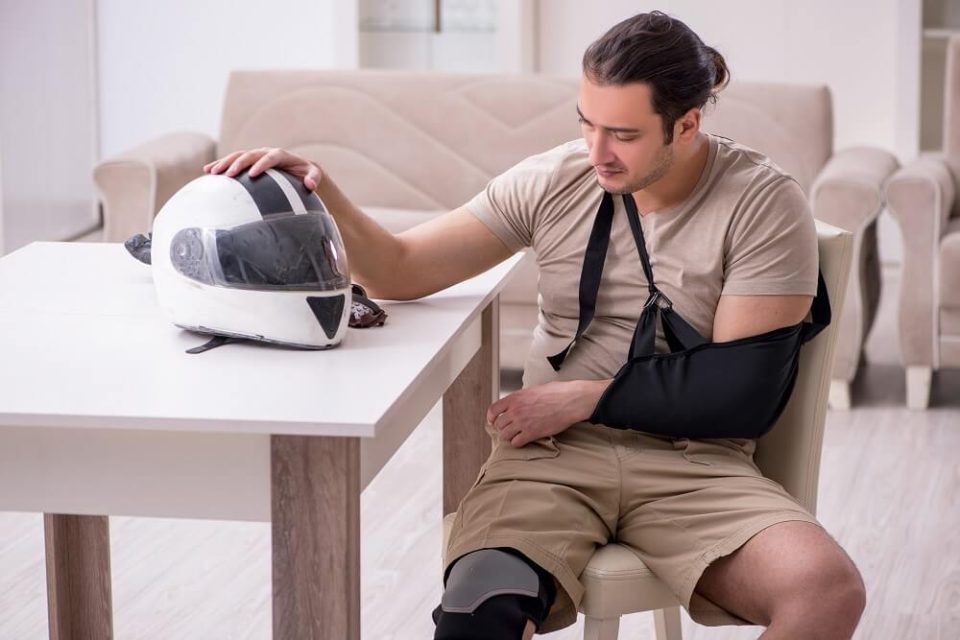
The freedom and exhilaration of riding a motorcycle are accompanied by an inherent vulnerability on public roads. Motorcyclists lack the structural protections of traditional passenger vehicles, such as steel frames, crumple zones, and airbags. Consequently, when a collision occurs, the operator absorbs the physical impact directly. The results are frequently catastrophic, leading to severe bodily harm, complex medical regimes, and sudden financial uncertainty.
Navigating the aftermath of a motorcycle crash requires an understanding of both the physiological realities of these accidents and the legal frameworks established to protect injured riders. Motorcyclists face unique hurdles when pursuing compensation, ranging from hostile insurance strategies to pervasive social biases against riders. Protecting your physical recovery and financial security demands a systematic approach to treating injuries and enforcing your legal rights.
Common Severe Injuries Resulting from Motorcycle Collisions
Because of the lack of physical barriers, even low-speed motorcycle accidents can yield profound trauma. The impact typically involves a primary collision with the target vehicle and a secondary collision with the asphalt or roadside obstructions.
-
Traumatic Brain Injuries (TBI): Despite wearing a Department of Transportation approved helmet, the violent acceleration and deceleration forces inside a crash can cause the brain to collide with the interior of the skull. This results in concussions, contusions, or permanent cognitive impairments.
-
Spinal Cord Trauma and Paralysis: Riders thrown from their bikes run a high risk of landing on their back or neck. Fractures to the vertebrae can pinch or sever the spinal cord, leading to partial or complete paralysis below the point of injury.
-
Complex Orthopedic Fractures: When a collision occurs, a rider’s limbs are frequently crushed between the motorcycle and the other vehicle or bent awkwardly during impact. This leads to shattered bones that often require multiple corrective surgeries, plates, screws, and extensive physical therapy.
-
Road Rash and Severe Skin Abrasions: Sliding across asphalt at high speed tears through clothing and skin. Severe road rash behaves similarly to thermal burns, causing deep tissue damage, high risks of infection, and the necessity of skin graft procedures.
Navigating the Immediate Post-Accident Environment
The choices made in the minutes and days following a crash directly shape the outcome of any future legal claim. Establishing clear, undeniable facts early prevents insurance adjusters from distorting the narrative of the event.
Secure Immediate Medical Attention
Your health is the absolute priority, but seeking immediate medical evaluation also serves as a vital legal tool. Internal bleeding, soft tissue damage, and mild traumatic brain injuries may not present noticeable symptoms right away due to the rush of adrenaline. Delaying a medical evaluation gives insurance corporations an opening to argue that your injuries were caused by an unrelated event or were not as serious as you claim.
Call Law Enforcement to the Scene
Always wait for police officers to arrive and draft a formal traffic collision report. The responding officer will interview witnesses, measure skid marks, examine vehicle placement, and often issue citations to the negligent driver. This official document serves as a critical piece of objective evidence when establishing liability during the insurance evaluation process.
Gather Comprehensive Scene Documentation
If you are physically capable, or if a bystander can assist, gather as much real-time evidence as possible. Capture high-resolution photographs of the damage to your motorcycle, the position of the other vehicle, visible road hazards, skid marks, and your own visible injuries. Obtain the names, phone numbers, and statements of any individuals who witnessed the crash.
The Legal Concept of Liability and Negligence
To successfully recover compensation after a motorcycle crash, you must establish that the other party acted negligently. Negligence implies that the driver failed to operate their vehicle with the degree of care that a reasonably prudent person would exercise under similar circumstances.
Common examples of driver negligence involving motorcyclists include:
-
Distracted driving, such as texting or checking navigation systems.
-
Failing to check blind spots before executing a lane change.
-
Making a left-turn directly in front of an oncoming motorcycle due to misjudging the bike’s speed.
-
Tailgating, which minimizes the necessary stopping distance behind a maneuverable motorcycle.
Your legal advocate must prove four core elements to win a negligence case: the driver owed you a duty of care, the driver breached that duty, the breach directly caused the collision, and you suffered measurable damages as a result.
Overcoming the Unjust Comparative Fault Defense
A major legal hurdle for injured riders is the strategic use of comparative fault frameworks by insurance providers. In many jurisdictions, laws dictate that if an injured individual contributed to the accident in any way, their financial compensation will be reduced by their percentage of fault. If a rider is found to be over fifty percent responsible, they may be barred from recovering any damages at all.
Insurance adjusters regularly rely on outdated, negative stereotypes that paint motorcyclists as reckless daredevils or speeders to shift the blame onto the rider. They may claim you were lane-splitting illegally, speeding, or failing to take evasive maneuvers. Defeating these tactics requires your legal representative to deploy objective evidence, such as black box data from the striking vehicle, accident reconstruction experts, and high-definition video footage to prove the motorist was completely at fault.
Calculating the Full Scope of Your Financial Damages
A catastrophic injury alters your entire life path, meaning your financial recovery must look far beyond immediate emergency room bills. A personal injury lawsuit or comprehensive insurance demand should seek to recover both economic and non-economic damages.
-
Economic Damages: These are measurable, verifiable financial losses. They encompass past and future medical care, specialized rehabilitation, prescription medications, home modifications for accessibility, lost wages, and the complete destruction of your earning capacity if you can no longer return to your career field.
-
Non-Economic Damages: These represent intangible, human losses. They include physical pain and suffering, emotional distress, loss of enjoyment of life, and the loss of consortium experienced by your spouse or family members due to your permanent injuries.
Evaluating these damages accurately requires an attorney to collaborate with medical experts, life-care planners, and forensic economists to project the true lifetime cost of your care.
Dealing Strategically with Insurance Adjusters
It is vital to recognize that an insurance adjuster, even one from your own carrier, is not your ally. Their primary professional mandate is to minimize the financial expenditure of the corporation. Shortly after a crash, an adjuster may contact you offering a quick settlement. While this cash offer may seem attractive when medical bills are mounting, it is almost always a lowball figure designed to get you to sign away your right to sue before the full scope of your injuries is realized.
Never provide a recorded statement or sign any medical authorization waivers without an attorney present. Adjusters are trained to phrase questions in ways that get you to inadvertently admit fault or minimize your pain. Let your legal representative handle all communications, protecting you from manipulation.
Selecting a Specialized Motorcycle Accident Attorney
Personal injury law is vast, and general practitioners who primarily handle basic rear-end car accidents may lack the specific knowledge needed for a complex motorcycle case. You need an attorney who specializes in motorcycle personal injury litigation.
A specialized lawyer understands the unique physics of a motorcycle crash, the specific mechanics of injuries like road rash and helmet impact trauma, and the strategies needed to dismantle jury bias against riders. Most reputable motorcycle accident lawyers work on a contingency fee basis. This means you owe no upfront retainer fees, and your attorney only collects payment if they successfully secure a settlement or court award on your behalf, allowing you to focus entirely on physical healing.
Frequently Asked Questions
Does my state’s no-fault insurance law cover my motorcycle accident injuries?
In many states that use a no-fault or Personal Injury Protection (PIP) system for traditional auto insurance, motorcycles are explicitly excluded from the standard rules. This means that even in a no-fault state, a severely injured motorcyclist may have to file a claim directly against the at-fault driver’s bodily injury liability policy from day one to recover medical costs, making establishing driver negligence vital.
Can I still pursue a personal injury claim if I was not wearing a helmet?
Yes. In states without a universal helmet law, choosing not to wear a helmet does not strip away your right to seek compensation if an at-fault driver hits you. However, the defense will likely attempt to use the comparative negligence argument to claim that your failure to wear a helmet directly caused or worsened your head injuries. An experienced attorney can work with medical experts to show that the driver’s negligence caused the crash itself and argue for full compensation for non-head related trauma.
How long do I have to file a lawsuit after a motorcycle accident?
The timeframe to file a case is determined by your state’s statute of limitations for personal injury claims, which commonly ranges from one to four years from the exact date of the crash. If you miss this strict deadline, the courts will permanently dismiss your case, leaving you unable to seek compensation. Because key evidence can disappear and witness memories fade, it is best to consult an attorney as soon as possible.
What happens if I am injured by a driver who does not have auto insurance?
If you are hit by an uninsured or underinsured motorist, or if you are the victim of a hit-and-run crash where the driver cannot be identified, you must turn to your own motorcycle insurance policy. If you purchased Uninsured/Underinsured Motorist (UM/UIM) coverage, your insurance provider steps into the shoes of the at-fault driver’s insurance, allowing your attorney to pursue a claim against your own policy up to its specific coverage limits.
How is the value of my destroyed motorcycle determined by the insurance company?
The insurance provider will evaluate your motorcycle’s Actual Cash Value (ACV) right before the collision, which accounts for its age, mileage, wear, and local market conditions. If you have invested thousands of dollars in aftermarket modifications, custom paint, or performance upgrades, you must provide receipts and documentation to prove these enhancements increased the bike’s overall value, ensuring you receive a fair property damage settlement.
Will my motorcycle accident case have to go to a full courtroom trial?
The vast majority of personal injury cases—often exceeding ninety percent—are successfully resolved through negotiated settlements out of court before a full trial begins. Insurance companies generally prefer to avoid the high costs and unpredictable nature of a jury trial. However, if the insurer refuses to offer a fair settlement that covers the full scope of your long-term damages, having a trial-ready attorney ensures your case can be argued directly before a judge and jury.
